
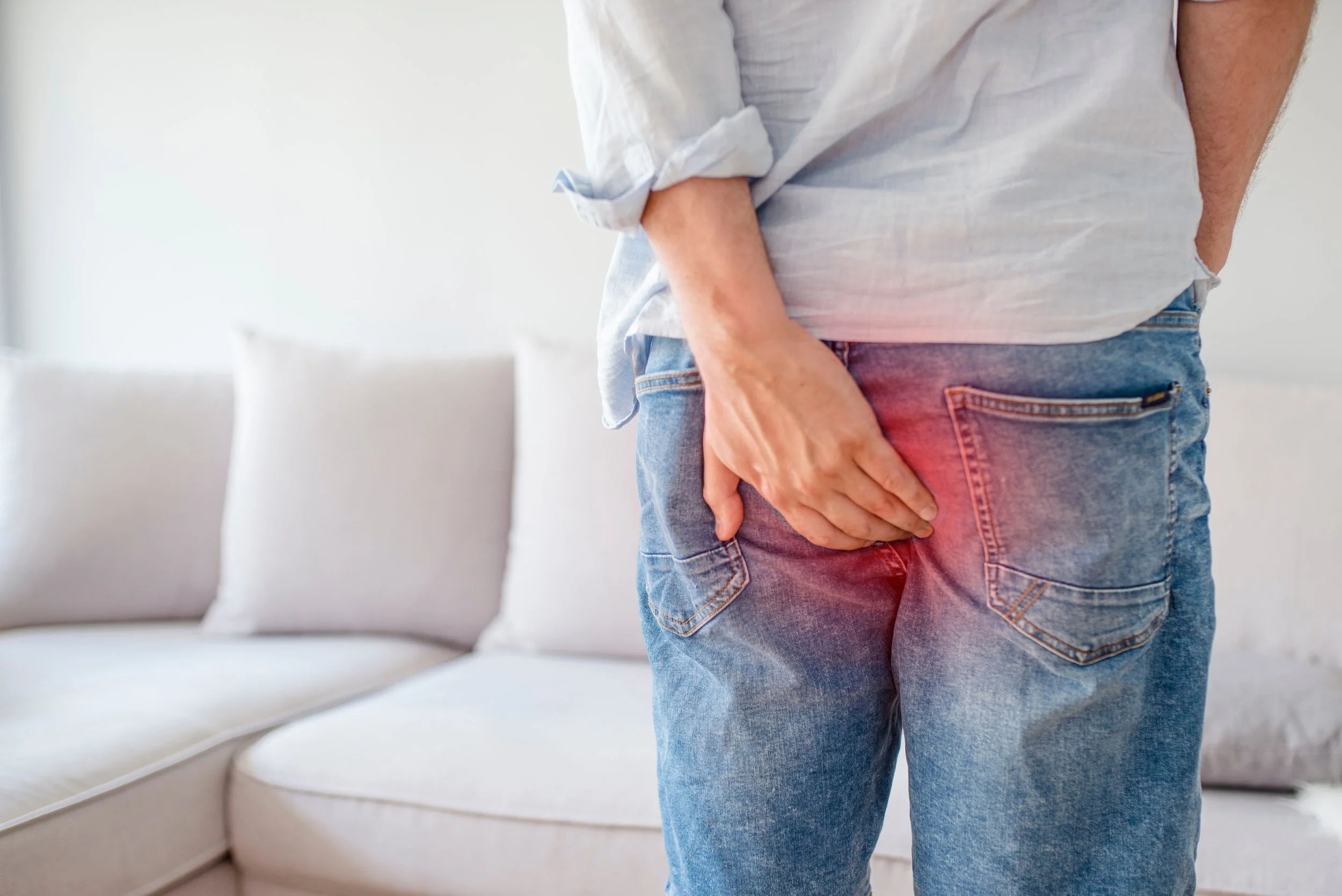
Hemorrhoids are a common condition that can cause itching, discomfort, swelling, and sometimes bleeding during bowel movements. While they can be frustrating, simple changes to your daily habits may help reduce your risk of developing them.
If you've experienced hemorrhoids before, you may wonder why they keep coming back and what you can do to prevent them.
At Colorectal Clinic of Tampa Bay, we help patients understand and manage common colorectal conditions, including hemorrhoids. Here are seven practical ways to support healthy bowel habits and help prevent hemorrhoids at home.
What Causes Hemorrhoids?
Hemorrhoids develop when the blood vessels and supporting tissues in the lower rectum or around the anus become swollen or enlarged.
Several factors can increase your risk of developing hemorrhoids, including:
Straining during bowel movements
Chronic constipation or diarrhea
Sitting on the toilet for extended periods
A low-fiber diet
Pregnancy
Aging and changes in supporting tissues
Although hemorrhoids cannot always be prevented, improving your bowel habits can help reduce unnecessary pressure on the rectal area.
1. Don't Ignore the Urge to Go
When you feel the urge to have a bowel movement, try not to delay it.
Waiting too long can allow stool to become harder and more difficult to pass, increasing the likelihood of straining.
At the same time, avoid sitting on the toilet when you don't actually need to go.
Helpful tip: Establish a regular bathroom routine and give yourself enough time without rushing. If nothing happens after a few minutes, get up and try again later.
2. Avoid Straining During Bowel Movements
Straining increases pressure on the veins and supporting tissues around the anus, which can contribute to hemorrhoid symptoms.
Instead of forcing a bowel movement, focus on keeping your stool soft and easy to pass.
Try relaxing your abdominal muscles, breathing normally, and avoiding prolonged pushing.
Using a small footstool to elevate your feet may also help create a more comfortable position for bowel movements.
3. Keep Your Stool Soft
Constipation is a common contributor to hemorrhoid symptoms.
When stool becomes hard or difficult to pass, you may need to strain more during bowel movements.
If constipation is a recurring problem, your healthcare provider may recommend a fiber supplement, stool softener, or another appropriate treatment.
However, stool softeners aren't necessary for everyone, and frequent constipation may require further evaluation.
The goal is to maintain soft, formed stools that pass comfortably without excessive straining.
4. Add More Fiber to Your Diet
One of the most effective ways to help prevent hemorrhoid symptoms is to eat enough fiber.
Fiber helps support regular bowel movements and can make stool easier to pass.
Good sources of dietary fiber include:
Fruits such as berries, apples, and pears
Vegetables such as broccoli, carrots, and leafy greens
Whole grains such as oatmeal and brown rice
Beans, lentils, and other legumes
Nuts and seeds
Adults generally need approximately 22–34 grams of fiber daily, depending on age and sex.
If you're not getting enough fiber through food, a supplement such as psyllium may help.
Increase your fiber intake gradually to avoid unnecessary bloating or gas.
5. Drink Plenty of Water
Staying hydrated is another important part of maintaining healthy bowel movements.
Water helps support normal digestion, and adequate fluid intake is especially important when increasing dietary fiber.
Without enough fluids, stool may become harder and more difficult to pass.
Try drinking water consistently throughout the day rather than waiting until you feel thirsty.
Your individual fluid needs may vary based on activity level, climate, and medical conditions.
6. Limit Foods That Contribute to Constipation
Your diet can influence how regularly and comfortably you have bowel movements.
Eating large amounts of low-fiber foods may contribute to constipation, particularly when they replace fiber-rich options.
Foods to be mindful of include:
Highly processed snacks
Refined grains with little fiber
Fast food and other low-fiber meals
Large amounts of cheese or dairy products if they contribute to constipation for you
You don't necessarily need to eliminate these foods. Instead, focus on building balanced meals that include plenty of fiber and adequate fluids.
Paying attention to how your body responds to certain foods can also help you identify patterns.
7. Stay Physically Active
Regular physical activity supports digestive health and may help prevent constipation.
You don't need an intense workout routine to experience the benefits.
Simple activities such as walking, swimming, or gentle stretching can help you stay active throughout the day.
If you spend long periods sitting, try taking regular movement breaks.
Helpful tip: A short daily walk is an easy way to build more movement into your routine while supporting overall health.
What if You Already Have Hemorrhoids?
If you're currently experiencing hemorrhoid symptoms, many of the same prevention strategies can also help reduce irritation and discomfort.
Additional at-home care may include:
Warm sitz baths: Soaking the affected area in warm water for 10–15 minutes may help relieve discomfort.
Gentle cleansing: Clean the area with water or soft, unscented toilet paper, avoiding harsh scrubbing.
Over-the-counter treatments: Certain hemorrhoid creams or suppositories may provide temporary symptom relief when used as directed.
Avoiding prolonged toilet sitting: Limiting time on the toilet can reduce unnecessary pressure on the affected area.
Avoid heavily fragranced products or harsh wipes that may irritate sensitive skin.
Mild hemorrhoid symptoms often improve within several days to a week with conservative care. However, some cases require additional treatment.
When Should You See a Colorectal Specialist?
Although hemorrhoids are common, persistent symptoms shouldn't be ignored.
Consider scheduling an evaluation if you experience:
Recurring hemorrhoids
Ongoing pain, itching, or swelling
Symptoms that don't improve after about a week of home treatment
Rectal bleeding
A painful lump near the anus
Important: Rectal bleeding should not automatically be assumed to be caused by hemorrhoids. Other colorectal conditions can cause similar symptoms, so a proper diagnosis is important.
Heavy bleeding, dizziness, fainting, or severe rectal pain requires prompt medical attention.
Depending on the severity of your symptoms, a colorectal specialist may recommend additional treatments, including office-based procedures or surgery when appropriate.
Take Steps Toward Better Colorectal Health
Preventing hemorrhoids often starts with simple daily habits. Eating more fiber, staying hydrated, avoiding straining, and maintaining regular physical activity can all help support comfortable bowel movements.
However, if hemorrhoids continue to return or interfere with your daily life, professional evaluation can help identify the cause and determine the most appropriate treatment.
At Colorectal Clinic of Tampa Bay, our team provides personalized care for hemorrhoids and a variety of colorectal conditions.
Struggling with recurring hemorrhoids? Contact Colorectal Clinic of Tampa Bay to schedule an appointment and explore your treatment options.