
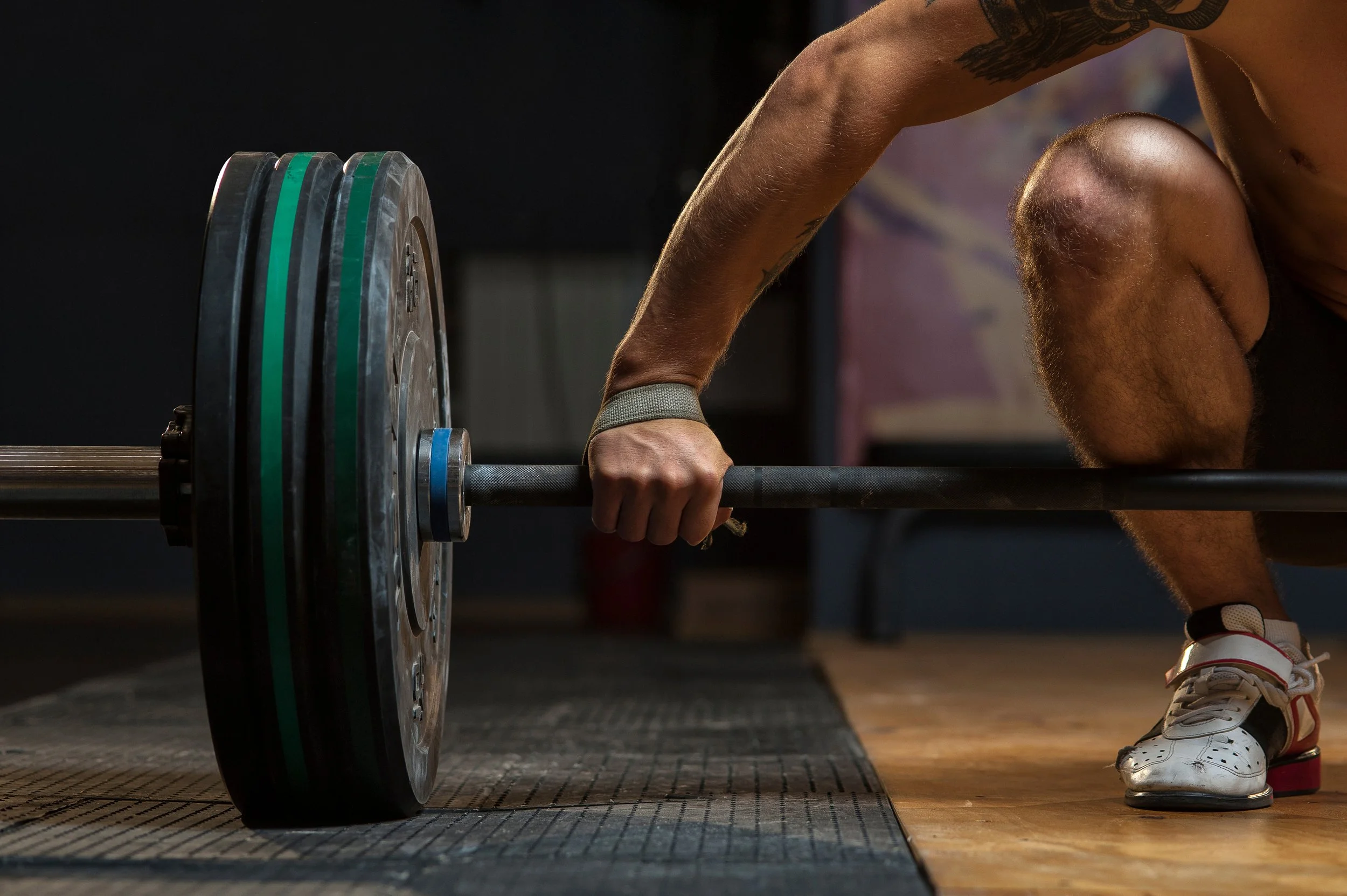
Whether you're training for a competition, working toward a personal best, or simply trying to stay healthy, weightlifting offers numerous benefits. But if you've ever noticed rectal discomfort, bleeding, or a new bulge after a workout, you may wonder if heavy lifting is to blame.
The reality is that weightlifting itself doesn't directly cause hemorrhoids or other colorectal conditions. However, the increased pressure created during heavy lifting can contribute to or worsen certain conditions, particularly when proper breathing and lifting techniques aren't used (Riss et al., 2012).
Can Weightlifting Cause Hemorrhoids?
Hemorrhoids are swollen veins in the lower rectum and anus. They develop when increased pressure causes these veins to stretch and enlarge. One common source of pressure is straining, whether during bowel movements or heavy lifting (Riss et al., 2012).
Many weightlifters unknowingly perform the Valsalva maneuver—holding their breath while exerting force during a lift. While this technique can temporarily improve stability, it also significantly increases intra-abdominal pressure, which may place additional stress on rectal veins (Halliwill et al., 2014).
Common symptoms of hemorrhoids include:
Bright red bleeding during bowel movements
Anal itching or irritation
Swelling near the anus
Pain or discomfort when sitting
A feeling of fullness or pressure in the rectal area
For individuals who already have hemorrhoids, heavy lifting may worsen symptoms and trigger flare-ups (Riss et al., 2012).
Can Weightlifting Cause a Hernia?
A hernia occurs when tissue pushes through a weak area in the abdominal wall. Heavy lifting is considered a risk factor because it repeatedly increases pressure within the abdomen, especially when performed with improper form or breathing techniques (Jenkins & O'Dwyer, 2008).
While lifting weights does not necessarily create a hernia from scratch, it can expose or worsen an existing weakness in the abdominal wall.
Common signs of a hernia include:
A visible bulge in the abdomen or groin
Pain during lifting, coughing, or bending
A feeling of heaviness or pressure
Symptoms that worsen with physical activity
If a bulge develops during exercise, it should be evaluated by a healthcare professional.
Are There Other Rectal Problems Associated With Heavy Lifting?
Although less common, repeated straining may contribute to pelvic floor dysfunction or worsen conditions such as rectal prolapse in susceptible individuals (Bordeianou et al., 2014).
Rectal prolapse occurs when part of the rectum slips out of its normal position. Symptoms may include:
A protruding tissue mass
Difficulty controlling bowel movements
Rectal pressure
A sensation of incomplete emptying
While most gym-goers will never experience rectal prolapse, excessive straining over time may increase risk in vulnerable individuals.
How to Protect Yourself While Lifting
The good news is that most people can continue weightlifting safely.
Consider these tips:
Exhale during the exertion phase of a lift
Avoid holding your breath unnecessarily
Focus on proper lifting technique
Increase weight gradually
Stay hydrated
Eat a high-fiber diet to prevent constipation
Seek medical attention for persistent symptoms
When Should You See a Specialist?
Occasional discomfort after a strenuous workout may not be concerning. However, rectal bleeding, persistent pain, swelling, or changes in bowel habits should never be ignored.
At Tampa Colorectal Clinic, we specialize in diagnosing and treating hemorrhoids, hernias, and other colorectal conditions. If you're experiencing symptoms that interfere with your workouts or daily life, our team can help identify the cause and recommend effective treatment options.
Works Cited
Bordeianou, L., Paquette, I., Johnson, E., et al. (2014). Clinical practice guidelines for the treatment of rectal prolapse. Diseases of the Colon & Rectum, 57(5), 539-551. Link
Halliwill, J. R., Sieck, D. C., Romero, S. A., et al. (2014). Blood pressure regulation during resistance exercise. Exercise and Sport Sciences Reviews, 42(3), 85-90. Link
Jenkins, J. T., & O'Dwyer, P. J. (2008). Inguinal hernias. BMJ, 336(7638), 269-272. Link
Riss, S., Weiser, F. A., Schwameis, K., et al. (2012). The prevalence of hemorrhoids in adults. International Journal of Colorectal Disease, 27(2), 215-220. Link