
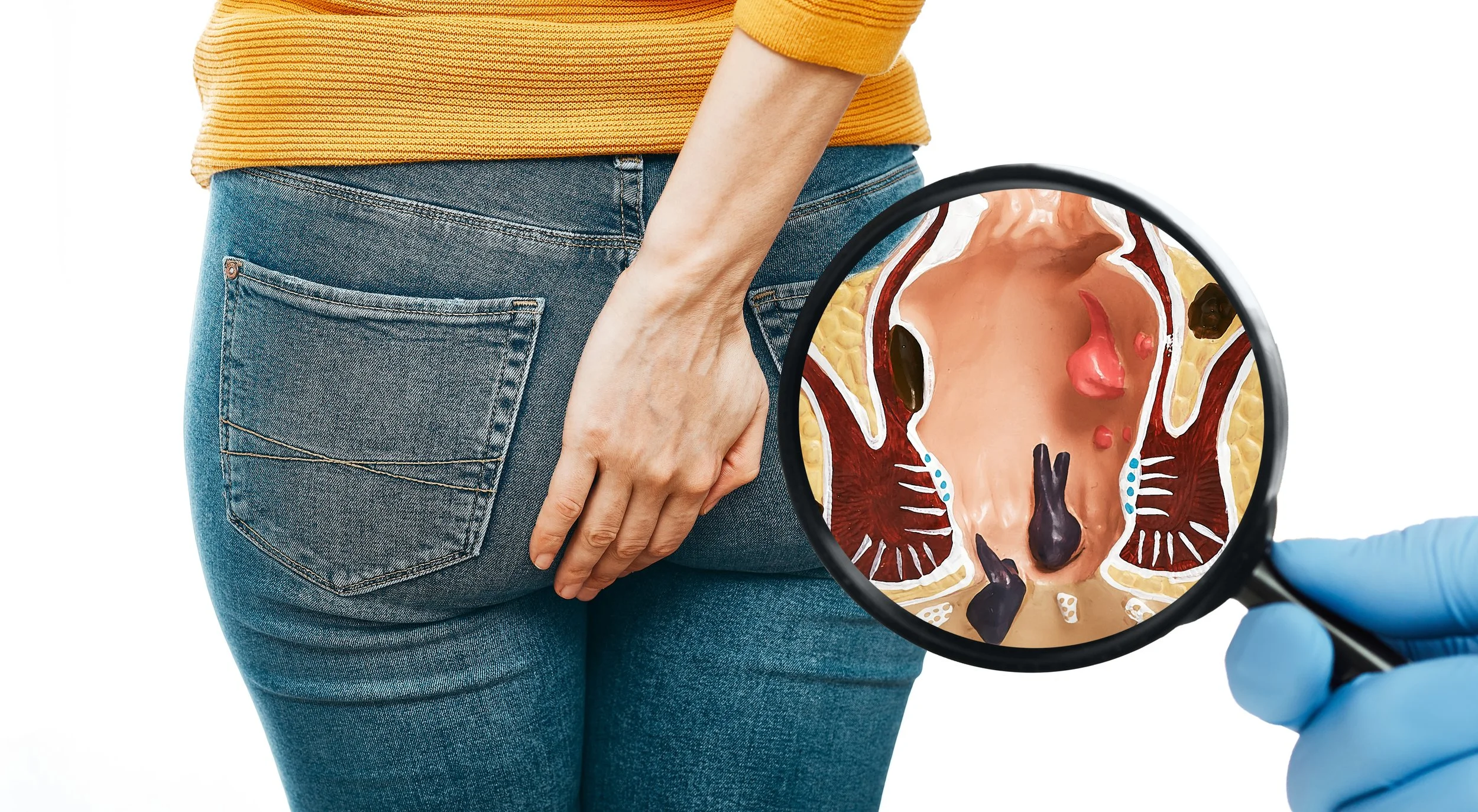
Hemorrhoids and anal fissures affect millions of adults each year — but the good news is that both are largely preventable through lifestyle and dietary changes.
At Colorectal Clinic of Tampa Bay, our specialists use evidence-based approaches to help patients protect their colorectal health and avoid painful flare-ups.
Scientific research consistently supports simple yet powerful adjustments that can make 2026 the year your gut health thrives.
1. Increase Dietary Fiber Intake
One of the most effective strategies for prevention is a high-fiber diet.
A case-control study found that low fiber intake and insufficient hydration significantly increase the risk of hemorrhoids and anal fissures due to harder stools and constipation (Shaffaf et al., 2018).
Likewise, a review of anorectal disorders concluded that fiber supplementation can reduce hemorrhoidal symptoms by up to 50%, emphasizing that fiber supports stool softness and promotes healing (Shilpa & Shanmugaloga, 2025).
Goal: Aim for 25–35 grams of dietary fiber daily from fruits, vegetables, whole grains, and legumes.
2. Stay Consistently Hydrated
Hydration works hand-in-hand with fiber to promote healthy bowel movements.
Inadequate hydration was directly correlated with hemorrhoidal symptom severity and bleeding in patients studied by Shaffaf et al. (2018).
Recommendation: Drink at least 6–8 glasses of water daily to optimize stool consistency and minimize strain.
3. Avoid Straining and Limit Toilet Time
Behavioral factors — such as prolonged sitting or straining during bowel movements — have a strong association with anorectal disease.
A 2020 study published in The Turkish Journal of Gastroenterology found that patients who spent more than five minutes on the toilet or frequently strained were significantly more likely to suffer from both hemorrhoids and fissures compared to healthy controls (Şişik et al., 2020).
To minimize risk, respond promptly to bowel urges, avoid holding in stool, and skip distractions (like reading or phone use) while on the toilet.
4. Move More: Exercise for Colorectal Health
Physical activity supports gastrointestinal motility and helps prevent constipation — a key risk factor for fissures and hemorrhoids.
Clinical data show that lifestyle modification programs combining exercise, diet, and bowel training significantly reduced symptom recurrence after hemorrhoid and fissure surgery (Mosa & Shehata, 2019).
Even 30 minutes of daily movement — walking, swimming, or yoga — can make a measurable difference.
5. Support Healing with Gentle Hygiene and Sitz Baths
In acute cases, conservative non-surgical approaches can prevent progression.
A 2024 literature review emphasized that most anal fissures heal with conservative care, including proper hygiene, sitz baths, stool softeners, and dietary modifications (Zuhan et al., 2024).
Warm sitz baths improve blood flow, promote healing, and relieve pain naturally — an easy, home-based preventive measure.
6. Seek Early, Evidence-Based Care
Prevention is key — but early intervention matters too.
Studies confirm that over 90% of mild hemorrhoid and fissure cases respond to non-surgical management with diet and behavior correction (Hosseini, 2023).
At Colorectal Clinic of Tampa Bay, our board-certified colorectal surgeons combine advanced medical treatment with personalized lifestyle plans rooted in clinical research to help prevent recurrence and maintain optimal digestive wellness.
This year, commit to resolutions that truly protect your colorectal health.
By focusing on fiber, hydration, movement, and mindful bowel habits — all backed by scientific evidence — you can prevent hemorrhoids and fissures naturally.
And if symptoms arise, Colorectal Clinic of Tampa Bay provides compassionate, research-driven care that restores comfort and confidence.
Works Cited
Hosseini, S. (2023). Lifestyle Modifications and Dietary Factors versus Surgery in Benign Anorectal Conditions; Hemorrhoids, Fissures, and Fistulas. Iranian Journal of Medical Sciences. Link
Mosa, H., & Shehata, H. (2019). Effect of Life Style Modification's Nursing Program on Post-operative Outcomes of Patients with Selected Benign Perianal Diseases. Journal of Health, Medicine and Nursing. Link
Shaffaf, P. M., KunhiMohammed, P. K., & Matad, S. (2018). A Study On The Dietary Habits And Their Association With The Symptoms In Patients With Hemorrhoids And Fissure-in-Ano. Annals of International Medical and Dental Research. Link
Şişik, A., Başak, F., Hasbahçeci, M., Acar, A., Kilic, A., Özel, Y., & Bas, G. (2020). Recovery from Hemorrhoids and Anal Fissure Without Surgery. Turkish Journal of Gastroenterology. Link
Zuhan, A., Widyastuti, P., Mawaddah, A., Indrasari, A. D., & Alawiya, B. H. S. (2024). Anal Fissure: Clinical Practice, Diagnosis in Primary Care and Management Guideline. Lombok Health and Science Journal. Link
Shilpa, P. N., & Shanmugaloga, S. (2025). Lifestyle Modifications in Anorectal Disorders: A Review. Journal of Ayurveda and Integrated Medical Sciences. Link