
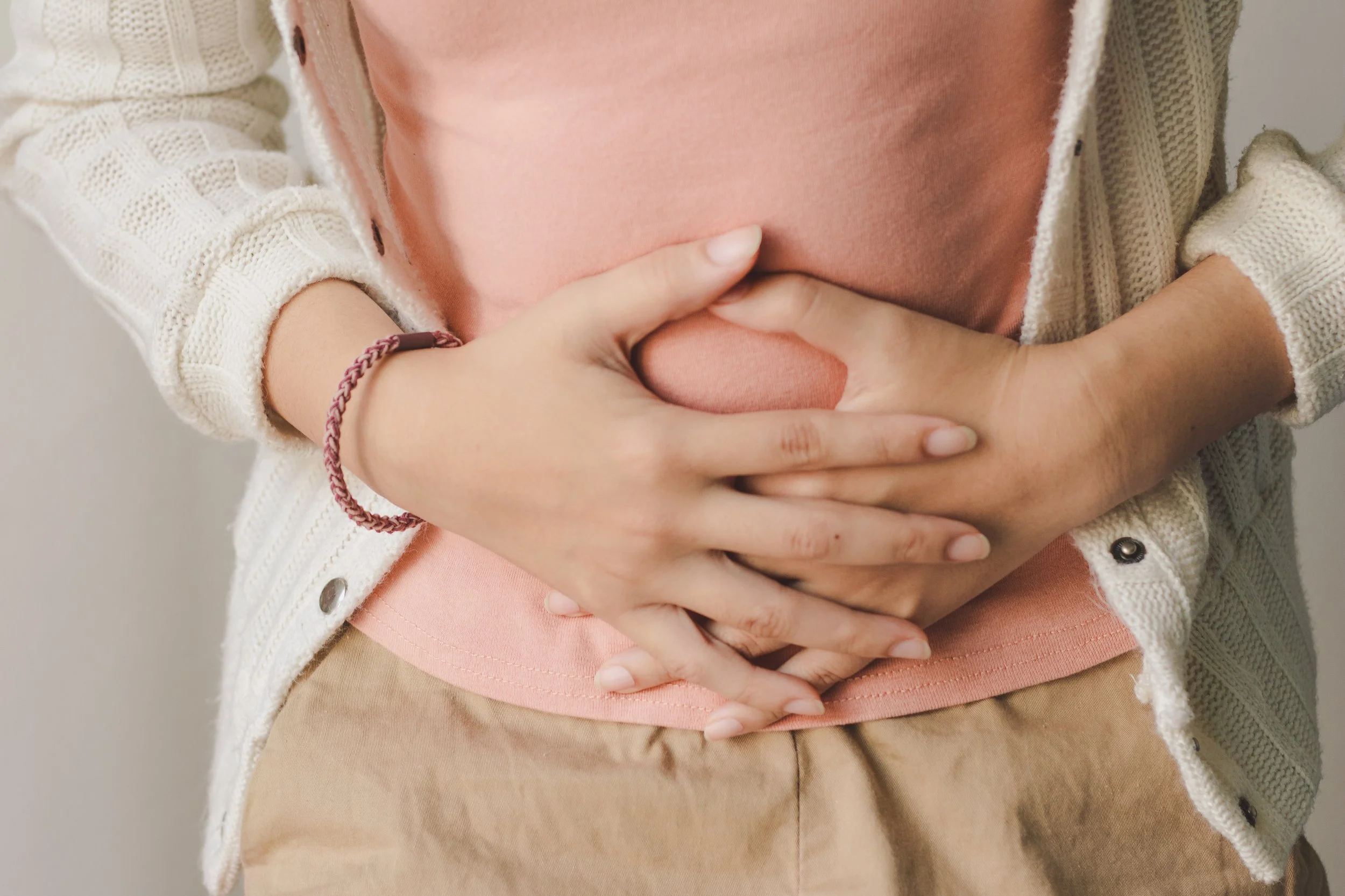
Feeling bloated after a large meal is normal. But persistent abdominal bloating — especially when it happens daily or seems unrelated to what you eat — may signal something more serious. If you’re constantly asking, “Why am I always bloated?”, it may be time to look beyond your diet.
At Colorectal Clinic of Tampa Bay, specialists evaluate chronic bloating and other digestive symptoms to determine whether they are caused by functional digestive disorders, structural conditions, or more complex colorectal diseases.
This guide explains when bloating is harmless — and when it warrants medical evaluation.
What Is Bloating?
Bloating is the sensation of abdominal fullness, tightness, pressure, or visible distention. It can be caused by:
Gas accumulation
Slow digestion
Altered gut motility
Intestinal inflammation
Pelvic floor dysfunction
Occasional bloating is common. Chronic bloating (lasting weeks or months) is not.
When Bloating Is More Than Just Diet
Many people assume dairy, gluten, or high-fiber foods are the problem. While food intolerances can contribute, research shows chronic bloating is often linked to underlying gastrointestinal conditions rather than diet alone.
1. Irritable Bowel Syndrome (IBS)
Bloating is one of the most common symptoms of IBS.
Studies show up to 90% of IBS patients report bloating (Lacy et al., 2021).
IBS-related bloating is often accompanied by constipation, diarrhea, or alternating bowel habits.
If bloating improves after bowel movements, IBS may be involved.
2. Chronic Constipation
When stool moves slowly through the colon, gas builds up and causes pressure.
The American College of Gastroenterology notes that chronic constipation frequently presents with bloating and abdominal discomfort (Ford et al., 2014).
Signs include:
Fewer than three bowel movements per week
Hard stools
Straining
Feeling of incomplete evacuation
Colorectal specialists can evaluate whether pelvic floor dysfunction or slow-transit constipation is contributing.
3. Small Intestinal Bacterial Overgrowth (SIBO)
SIBO occurs when excess bacteria ferment food in the small intestine, producing gas and bloating.
Research shows SIBO is associated with IBS and chronic bloating symptoms (Ghoshal et al., 2020).
Symptoms may include:
Bloating shortly after meals
Excessive gas
Abdominal discomfort
Nutrient deficiencies
4. Diverticular Disease
Small pouches (diverticula) in the colon can cause intermittent bloating and discomfort.
Diverticular disease becomes more common with age and may produce:
Left lower abdominal pain
Changes in bowel habits
Chronic fullness
Evaluation with colonoscopy or imaging may be recommended.
5. Pelvic Floor Dysfunction
If the muscles coordinating bowel movements don’t relax properly, stool and gas may become trapped.
Research suggests pelvic floor dyssynergia is an underdiagnosed cause of chronic bloating and constipation (Rao et al., 2010).
Specialized testing such as anorectal manometry may be necessary.
6. Ovarian or Colorectal Cancer (Rare but Important)
Persistent bloating that is:
New
Progressive
Associated with weight loss
Accompanied by rectal bleeding
Linked to anemia
should always be evaluated.
The American Cancer Society notes that colorectal cancer can present with persistent abdominal discomfort and bloating, particularly when accompanied by bowel habit changes (American Cancer Society, 2023).
Red Flag Symptoms: When to See a Colorectal Specialist
You should seek evaluation if bloating is accompanied by:
Rectal bleeding
Unexplained weight loss
Persistent constipation
Severe abdominal pain
Anemia
Family history of colorectal cancer
At Colorectal Clinic of Tampa Bay, specialists perform comprehensive evaluations including:
Colonoscopy
Advanced imaging
Pelvic floor testing
Functional bowel assessments
Minimally invasive surgical consultation when necessary
Early diagnosis improves outcomes — especially for structural or inflammatory conditions.
Why You Shouldn’t Ignore Chronic Bloating
Research indicates that patients often delay seeking care for gastrointestinal symptoms, assuming they are diet-related (Cash et al., 2015). However, untreated underlying conditions can worsen over time.
Chronic bloating is not just uncomfortable — it may reflect:
Motility disorders
Inflammatory conditions
Structural abnormalities
Functional colorectal disease
How a Colorectal Specialist Can Help
A board-certified colorectal surgeon focuses specifically on disorders of the colon, rectum, and pelvic floor.
At Colorectal Clinic of Tampa Bay, the team provides:
Individualized treatment plans
Evidence-based care
Minimally invasive surgical options when indicated
Conservative management when appropriate
If you’ve tried dietary changes without relief, it may be time to investigate further.
Occasional bloating is normal. Persistent or worsening bloating is not. When symptoms continue despite dietary changes, a colorectal evaluation can uncover the true cause and provide lasting relief.
If you're in the Tampa Bay area and struggling with chronic bloating, seeking expert care can make a significant difference in both comfort and long-term health.
Meta Description
Chronic bloating isn’t always caused by diet. Learn the medical causes of persistent abdominal bloating and when to see a specialist at Colorectal Clinic of Tampa Bay in Tampa, FL.
Works Cited
American Cancer Society. (2023). Colorectal cancer signs and symptoms. https://www.cancer.org/cancer/types/colon-rectal-cancer/detection-diagnosis-staging/signs-and-symptoms.html
Cash, B. D., et al. (2015). Bloating in functional bowel disorders: Pathophysiology and management. Gastroenterology & Hepatology, 11(10), 678–686. Link
Ford, A. C., et al. (2014). American College of Gastroenterology monograph on the management of irritable bowel syndrome and chronic idiopathic constipation. American Journal of Gastroenterology, 109(S1), S2–S26. Link
Ghoshal, U. C., et al. (2020). Small intestinal bacterial overgrowth and irritable bowel syndrome: A bridge between functional and organic disorders. Gut and Liver, 14(2), 196–208. Link
Lacy, B. E., et al. (2021). Bowel disorders. Gastroenterology, 160(5), 1481–1491. Link
Rao, S. S. C., et al. (2010). Dyssynergic defecation: A comprehensive review. Gastroenterology Clinics of North America, 39(3), 569–586. Link