
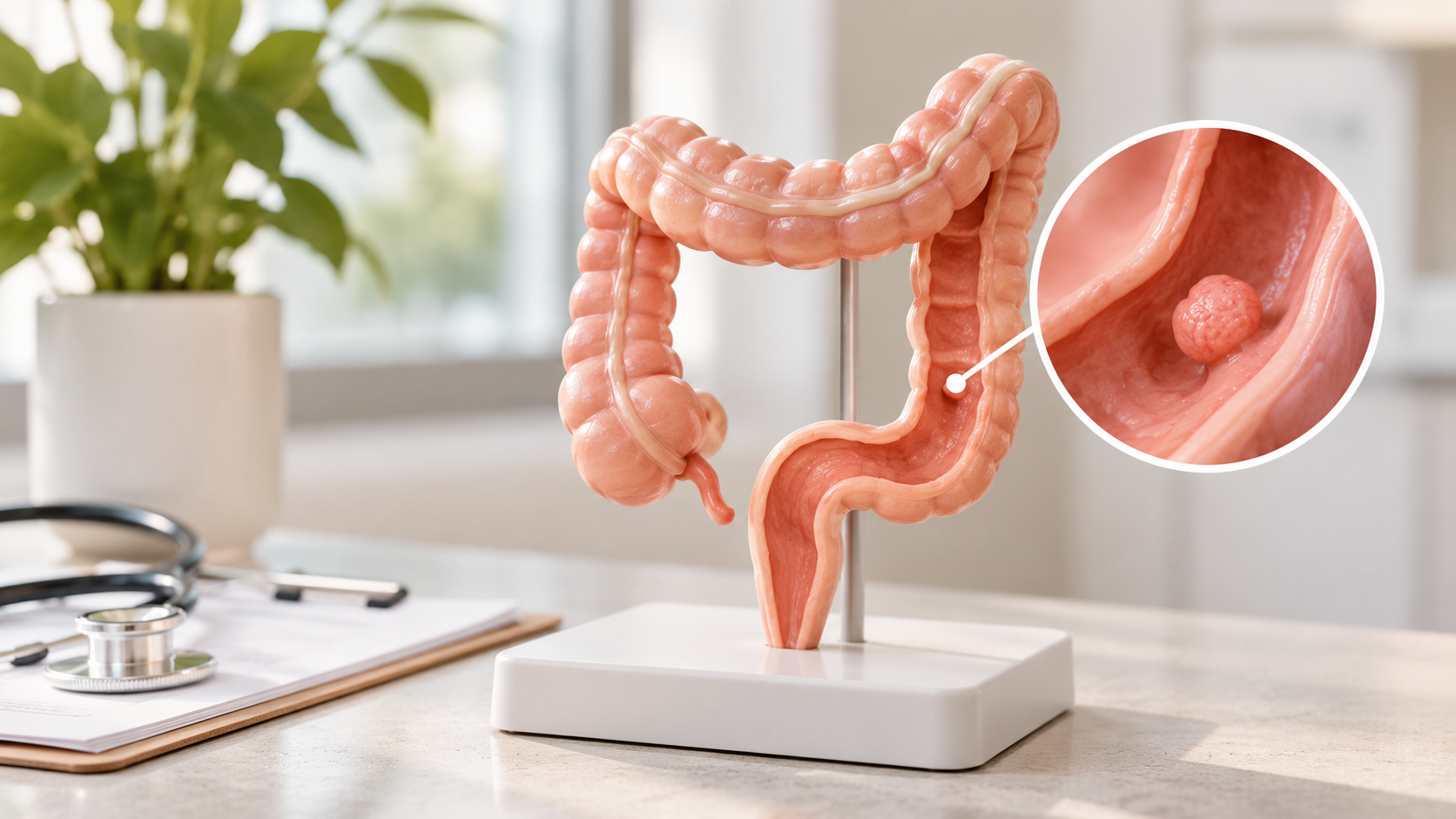
Colon polyps are common, especially as we age. While most are harmless, certain types can develop into colorectal cancer over time. Understanding what colon polyps are, how they're detected, and when they need treatment is an important part of protecting your long-term digestive health.
What Are Colon Polyps?
Colon polyps are small growths that develop along the inner lining of the colon or rectum. They can vary in size, shape, and type.
Some polyps are noncancerous and have little potential to become cancer. Others, including certain adenomas and serrated polyps, are considered precancerous because they can develop into colorectal cancer over time.
The good news is that finding and removing these growths early can significantly reduce the risk of colorectal cancer.
What Causes Colon Polyps?
There isn't always a clear reason why colon polyps develop. However, several factors can increase your risk, including:
Age: Polyps become more common as people get older.
Family history: Having a close relative with colon polyps or colorectal cancer may increase your risk.
Lifestyle factors: Smoking, obesity, and certain dietary patterns have been associated with an increased risk.
Inflammatory bowel disease: Long-standing inflammation from conditions such as ulcerative colitis or Crohn's disease can increase colorectal cancer risk.
Genetics: Certain inherited conditions can cause multiple polyps to develop.
Having one or more risk factors doesn't necessarily mean you'll develop polyps, but it may influence when your doctor recommends screening.
Do Colon Polyps Cause Symptoms?
One of the challenges with colon polyps is that most don't cause noticeable symptoms.
Many people only discover they have polyps during a routine colonoscopy.
However, some polyps may cause:
Blood in the stool or rectal bleeding
Changes in bowel habits
Unexplained iron-deficiency anemia
Abdominal discomfort in certain cases
These symptoms can also occur with other digestive conditions, so it's important not to assume polyps are the cause.
If you notice persistent changes in your bowel habits or unexplained bleeding, speak with a healthcare professional.
How Are Colon Polyps Detected?
A colonoscopy is one of the most effective ways to detect colon polyps.
During the procedure, a physician uses a small, flexible camera to examine the lining of the colon. If polyps are found, many can be removed during the same procedure.
The removed tissue is typically sent to a laboratory for examination. This helps determine the type of polyp and whether any precancerous or cancerous changes are present.
For adults at average risk, colorectal cancer screening generally begins at age 45. People with certain risk factors may need to begin earlier or undergo screening more frequently.
What Happens If a Polyp Is Found?
Finding a polyp doesn't automatically mean you have cancer.
Most polyps can be removed safely during a colonoscopy, often without the need for surgery.
After removal, your physician will consider several factors when recommending follow-up care:
The number of polyps found
Their size and location
The type of polyp identified
Whether precancerous changes are present
Your personal and family medical history
Some patients may return to routine screening intervals, while others need more frequent surveillance.
Can Colon Polyps Be Prevented?
Although there's no guaranteed way to prevent colon polyps, certain habits may help support colorectal health.
Maintaining a healthy weight, exercising regularly, avoiding tobacco, limiting alcohol, and eating a balanced diet rich in fiber can contribute to overall digestive health.
Most importantly, staying current with recommended colorectal cancer screenings allows physicians to identify and remove precancerous polyps before they have the opportunity to develop into cancer.
When Should You See a Colorectal Specialist?
If you've experienced rectal bleeding, persistent bowel changes, or have a family history of colorectal cancer, a colorectal specialist can help determine whether further evaluation is needed.
Even without symptoms, routine screening remains essential.
At Colorectal Clinic of Tampa Bay, we're committed to helping patients understand their colorectal health and the importance of early detection.
If you have concerns about colon polyps or are unsure when to schedule your next screening, contact our team to discuss your options.